Telford's Mixed Roofs: From Estate Tiles to Victorian Slate
Your roof says a lot about when your street was built. In Telford, you might live under crisp concrete tiles on a 1970s estate, or old slate on a terrace that predates the new town by a century.
Both need looking after. But they don't need the same treatment, and that's where a lot of homeowners get caught out.
The quick answer: Telford has two broad roof types. Concrete interlocking tiles cover most new town estate housing, while natural slate tops the older Victorian terraces in places like Wellington and Madeley. Concrete is tougher but goes porous with age, slate is elegant but brittle. Soft washing suits both, as long as you match the pressure to the surface.
1. Why Telford has such a mix of roofs
Telford was designated a new town in 1968 and named after Thomas Telford, the engineer who left his mark all over Shropshire. But the planners didn't build on empty land. They wrapped the new estates around older places like Wellington, Dawley, Madeley, and Oakengates.
So the roofscape here is layered. You get sweeping estates of near-identical tiled houses next door to Victorian streets that were standing when the ironworks were still going in the Gorge. Few towns have quite this split.
That history matters when it comes to cleaning. Two houses a mile apart can need completely different handling.
2. Concrete interlocking tiles: tough but thirsty
Most of Telford's post-1968 housing wears concrete interlocking tiles. They interlock along the edges, which sheds water well and keeps costs down. For a new town built at speed, they made sense.
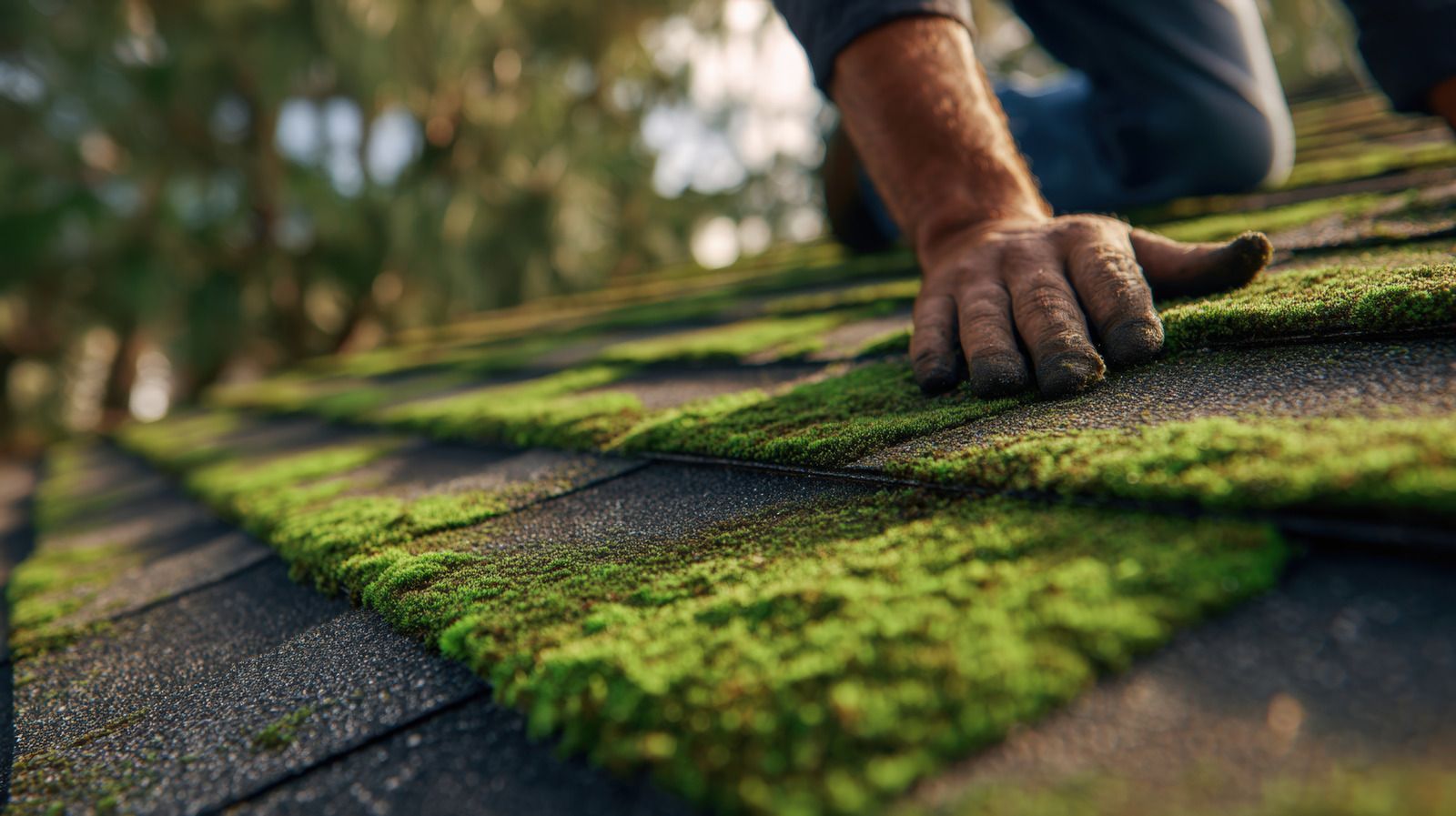
The catch is the coating. Concrete tiles leave the factory with a sealed surface, and that surface wears off over a few decades. Once it's gone the tile drinks up water, roughens, and gives moss a foothold. A lot of estate roofs in Telford are now at exactly that age.
You don't need to panic about it. But you do need to treat an older concrete roof gently, because blasting it only speeds up the wear.
3. Victorian slate: handsome and unforgiving
Walk the older terraces in Wellington or Madeley and you'll see natural slate, often the original roof from well over a hundred years ago. Slate can last generations. When it's laid well and looked after, it outlives almost everything else on the house.
The weakness is how brittle it gets with age. Old nails rust and fail, which is called nail sickness, and slates start to slip. Walking on it carelessly or jetting it hard can crack slates that were otherwise fine.
And slate still grows moss and algae, especially on the shaded sides that Telford's damp air keeps wet. It just needs a lighter touch than concrete.
4. What each roof needs from a clean
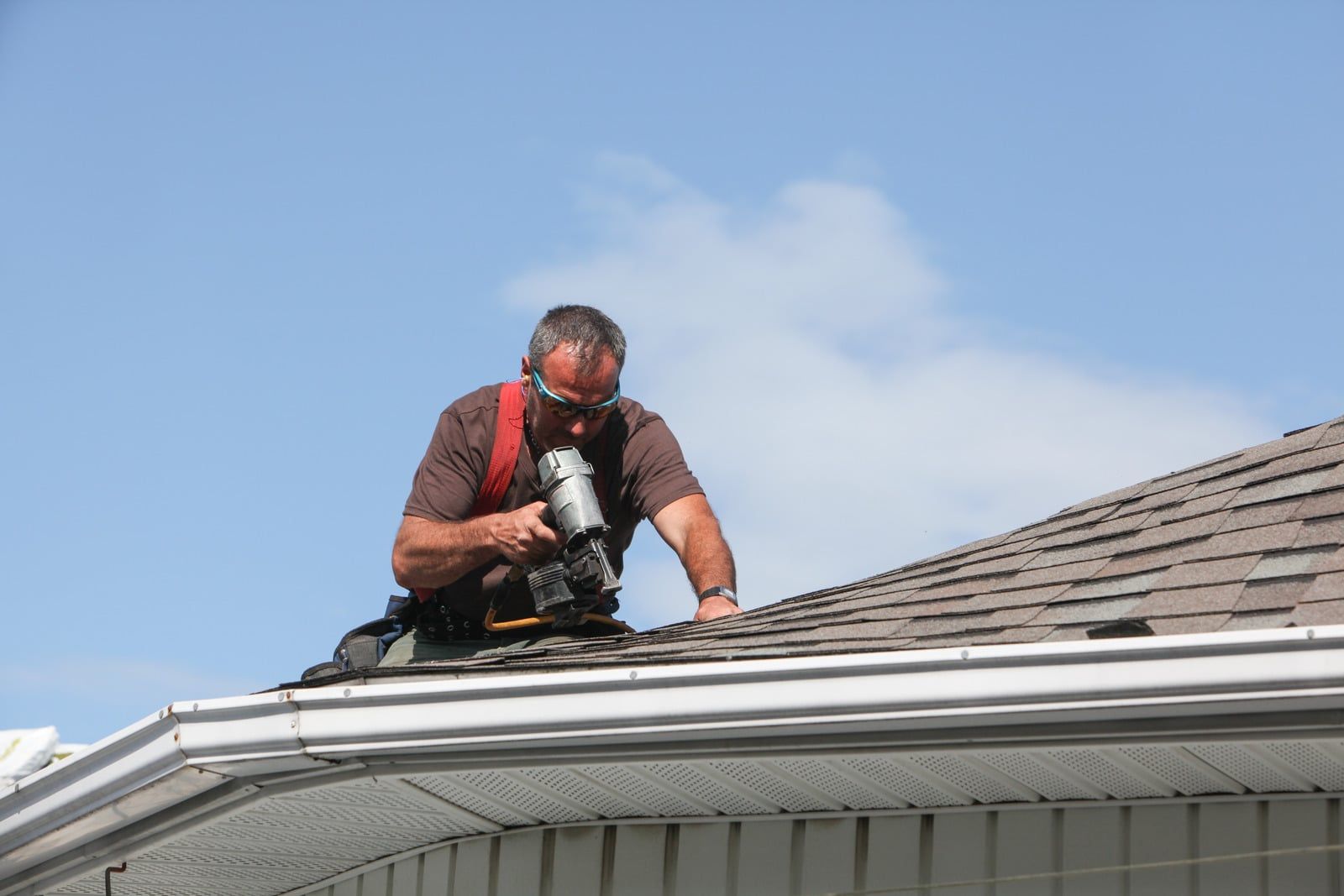
The method that suits a chunky concrete tile isn't the one you'd use on thin, aging slate. Getting this wrong is how tiles crack and coatings vanish. Getting it right keeps your roof going for years.
Soft washing works for both because it relies on low-pressure water and a biocide rather than brute force. The difference is in the detail, how close we work, how we move across the surface, and how we handle the fixings.
Here's how the two compare:
- Concrete tiles: handle age-related porosity, lift thick moss gently, and treat with biocide to slow the fast regrowth these roofs get.
- Natural slate: tread carefully to avoid cracking, watch for slipped or loose slates, and clean at low pressure so nothing shifts.
- Both types: clear the gutters afterward, because moss and grit slide down whatever the roof is made of.
- Shaded slopes: expect quicker regrowth on the north side and plan for it, whatever your tiles.
5. The gutter link people forget
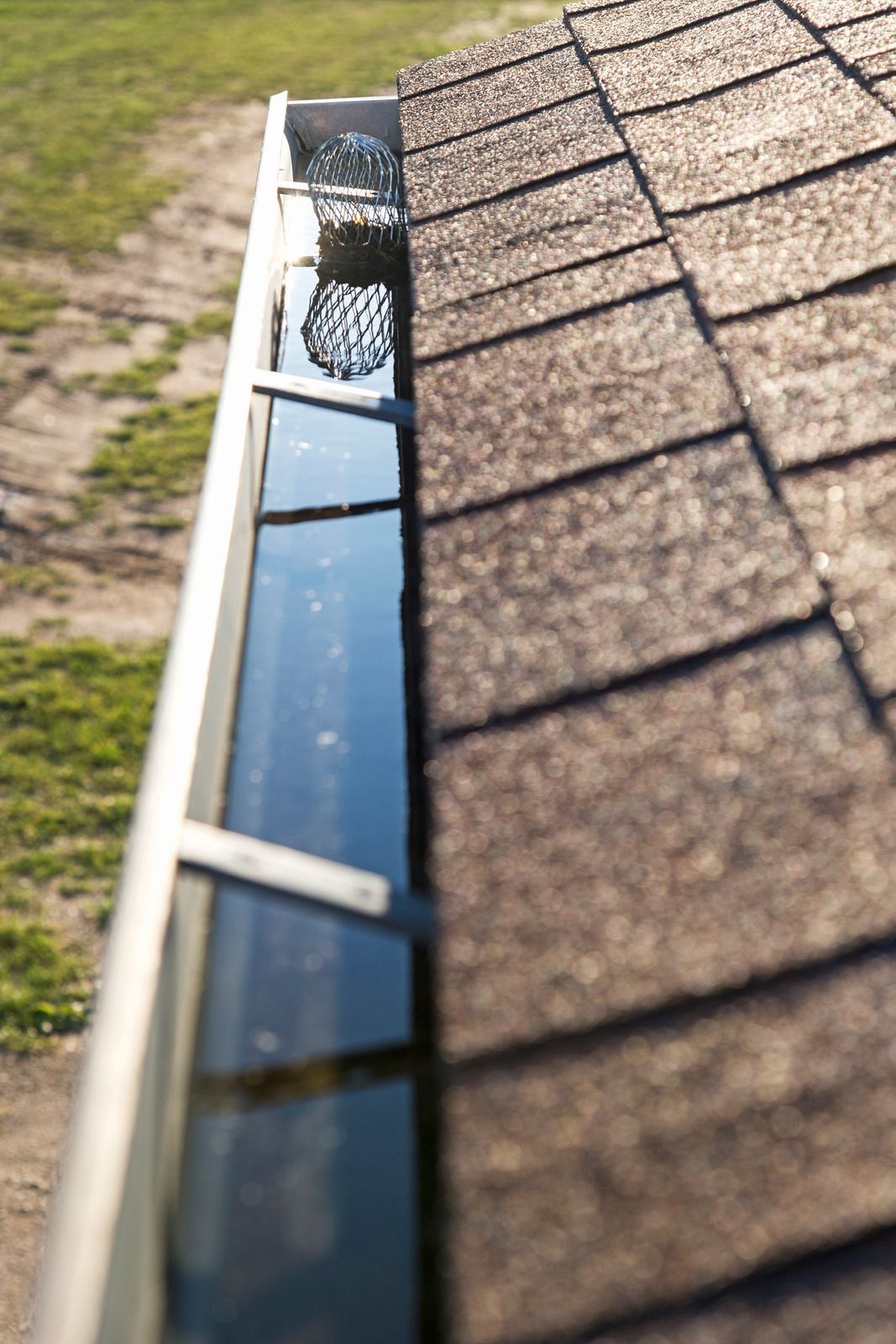
Whatever your roof is made of, the moss you clear off it has to go somewhere. On a lot of Telford homes it's been sliding into the gutters for years, building up into a wet, rooty mat that water can't get past.
Blocked gutters overflow. That water runs down the wall, soaks into brick or render, and shows up inside as damp patches. On the older terraces, where the brickwork is already porous with age, this is a real problem.
So a proper roof clean and a gutter clear go hand in hand. One without the other only does half the job.
6. Getting the right people on your roof
A roof is not the place for guesswork. Someone who treats every roof the same way will eventually damage one, and on a Victorian slate terrace the repair bill climbs fast.
Ben's Roof Cleaning has worked across Telford and Shropshire for over 15 years, on both the estate tiles and the older slate roofs. We look first, work out what the surface can take, and then clean it. Knowing local housing is half the battle.
And we'd always rather tell you a roof needs a careful, lighter clean than promise a quick blast that costs you later.
Frequently Asked Questions
How do I know if my roof is concrete or slate?
Slate is thin, flat, and usually grey. Concrete tiles are thicker, often red or brown, with a raised interlocking edge. If you're unsure, we can tell you when we look.
Is slate more fragile than concrete tile?
Older slate is more brittle and can crack if walked on carelessly, so it needs a lighter approach. Concrete is tougher but wears porous with age.
Can moss damage both roof types?
Yes. Moss holds water against any surface, and that damp can work into joints and fixings on both slate and concrete over time.
Do older Telford terraces need special care?
Often, yes. Many have original slate and aging fixings, so we tread carefully and check for slipped slates as we go.
Should gutters be cleaned at the same time?
We'd recommend it. Cleaning the roof loosens moss that ends up in the gutters, so clearing both together saves you a return trip.
Not sure what your Telford roof needs?
Ben's Roof Cleaning works across Telford and Shropshire, with over 15 years of experience. Get in touch or call 01952 446639
for a free, no-obligation quote.
Different roofs, same need for care
Telford's mix of estate tiles and Victorian slate is part of what gives the town its character. Each roof type has its strengths and its soft spots, and each one lasts longer when it's cleaned the right way. Match the method to the material, keep the gutters clear, and your roof holds up whether it went on in 1880 or 1980.